
The downside of listening to music for long periods of time
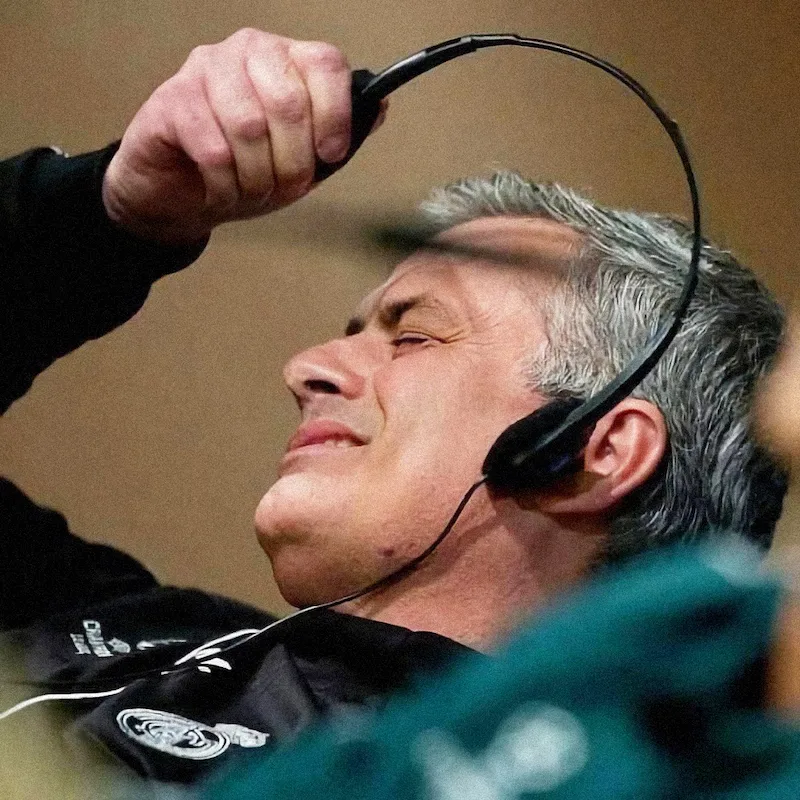
The downside of listening to music from years gone by for long periods of time is that it starts to feel as if it was recorded today and everyone is listening to it. Of course, that’s not the case. The characters on stage now are increasingly reminiscent of students from a remedial class. With names that mean nothing and tracks that mean nothing.
And, strangely enough, when you listen to records from the seventies to the nineties, you find yourself moving further and further away from the present day with each passing year; but at the same time, it’s not as if contemporary music is moving forward in any way. Music is stuck in a rut, repeating itself and rehashing past achievements. This has been discussed at length, but I’ll add my two cents. For the last ten years, I’ve been hearing the same bass line on tens of thousands of tracks from cars, radios and headphones; the same percussion that wanders from track to track; the same endless and monotonous covers, borrowings and reworkings. And this is despite the vastly increased capabilities of technology that did not exist, say, in the 1970s.
There are many opportunities, but little talent. Techniques and discoveries from the music of the 70s, 80s and 90s are still being passed off as innovation. Men still sing in women’s voices, and women still sing in men’s voices. Some performers open their mouths listlessly, while others can’t even be saved by autotune; but most singers and musicians are completely indistinguishable from one another. (Despite all the mantras about uniqueness.) What’s the point of becoming a musician if you have nothing to say? Why do you need 500 plugins or a studio if the result is just another generic track? Just to add to the herd? To get 0.2 cents on Spotify?
Sometimes it seems to me that this zoo was created long ago by the Great Producer, who simply churns out the same tracks under a million different pseudonyms (Bangalter’s prophecy about